AI filmmaking
Why AI-generated footage still needs editing, compositing and colour grading
What turns AI-generated footage into a finished film? Explore editing, compositing and colour grading—and what to look for in an AI filmmaker.
 By Ed McCulloch ·
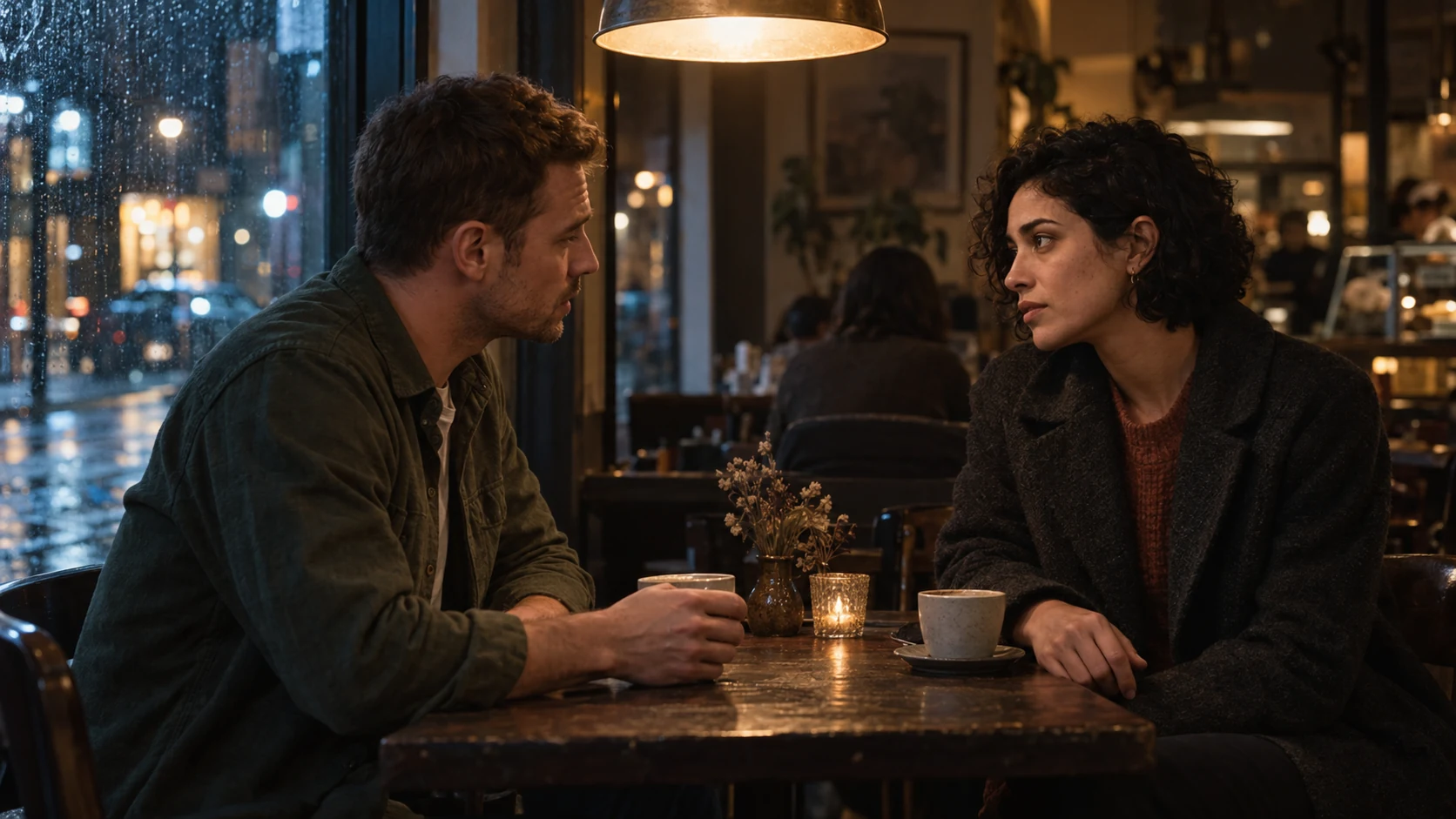
An AI-generated shot can be beautiful on its own. The lighting feels convincing, the camera movement draws you in, and the scene might have been difficult to capture any other way.
Then you put it next to another shot.
The light changes. The product looks slightly different. A movement carries on too long, or the sequence never quite arrives at the point it needs to make.
For a brand film, those details matter. The viewer needs to understand the idea, recognise the product and feel that every image belongs to the same world.
AI video post-production is the work of bringing those pieces together: editing the story, refining individual shots, matching colour and shaping the sound. It is where promising footage becomes a coherent film.
Editing gives the images a purpose
Generating several striking clips does not automatically produce a sequence that works.
An editor decides what the viewer needs to see, in what order, and for how long. Sometimes a shot needs space. Sometimes its useful moment lasts less than a second.
Imagine a product film that opens on an atmospheric landscape, moves into a close-up of a material, then reveals the product. Each image might look impressive, but the sequence still needs a connection. Movement, composition, colour or sound can carry the viewer from one shot to the next.
Without that connection, it can feel like a collection of unrelated images.
Editing AI-generated footage also means choosing which parts of a clip are usable. A movement might begin convincingly before the shape of an object starts to drift. The best decision could be an earlier cut, a different take or a new shot altogether.
The strongest image does not always earn a place in the final film. It has to help the idea.
Compositing makes specific details belong
Commercial work often depends on details that cannot be approximate: a logo, a product label, an interface or the proportions of packaging.
Compositing brings separate visual elements together within a shot. Depending on the material, that might mean placing approved artwork onto a product, integrating a screen recording or combining a photographed object with a generated environment.
The challenge goes beyond putting one layer over another.
A label needs to follow the surface beneath it. A screen needs the right perspective and brightness. An inserted object needs to share the scene’s light, shadows and movement.
When those relationships are wrong, the viewer may not identify the technical problem, but the image can still feel unconvincing.
This is also why planning matters. If a product must remain exact, the production approach should account for that before generation begins. Some shots benefit from a combination of AI, photography, 3D and conventional post-production.
Compositing can solve a great deal, but some footage is better replaced than repaired.
Colour grading helps separate shots feel like one film
Two clips can look good individually and still clash in the edit.
One might have cool shadows and restrained highlights. The next might be warmer, more saturated and much harder in contrast. That change can distract from the story, particularly when the shots are meant to share a location or moment.
Colour correction helps balance those differences. Colour grading develops the overall visual character: how warm the light feels, how dense the shadows are, and where colour draws the eye.
For AI-generated footage, this means assessing what the image can withstand. A strong existing look, lost highlight detail or compression can limit how far it can be pushed.
A consistent grade requires attention to each shot. Applying the same preset across the timeline does not necessarily make the images match.
Sound gives the sequence weight
A film’s sense of realism also comes from what we hear.
A subtle surface sound can make an object feel tangible. An environmental sound can connect two different views. A pause in the music can give a reveal more space.
Sound design helps establish scale, pace and atmosphere. It also affects the edit itself: a cut that feels abrupt in silence might make sense when a sound carries across it.
For a short brand film, these choices can do as much for the finished experience as another visually elaborate shot.
What should you look for in an AI filmmaker or AI artist?
The titles overlap. An AI artist might specialise in still imagery and visual development. An AI filmmaker might take a project from concept through to delivery. A video editor working with AI might focus on shaping and finishing existing footage.
The useful question is which parts of your project that person can take responsibility for.
Look at complete sequences as well as individual images. Does the product stay recognisable? Do the shots feel connected? Does the pacing make the message clear?
Ask how exact brand assets will be handled, what happens when a shot needs changing, and whether editing, compositing, colour and sound are included.
A process breakdown can be particularly helpful. Seeing the source material alongside the finished result makes the contribution easier to understand.
The finished film is the measure
AI opens up possibilities for locations, imagery and movement. The creative judgement around those possibilities determines how effectively they serve a brief.
Sometimes the most valuable decision is to generate something new. Sometimes it is to shorten a shot, rebuild a detail or simplify the sequence.
When choosing someone for an AI brand film, look for work that holds together from the first frame to the last. The images should support an idea—and the finishing should make that idea easier to feel and understand.