AI fashion & filmmaking
AI fashion films: plan what a turn reveals
Plan a fashion-film turn around garment evidence: define the movement, cover hidden construction and review seams, silhouette and occlusion in playback.
 By Ed McCulloch ·
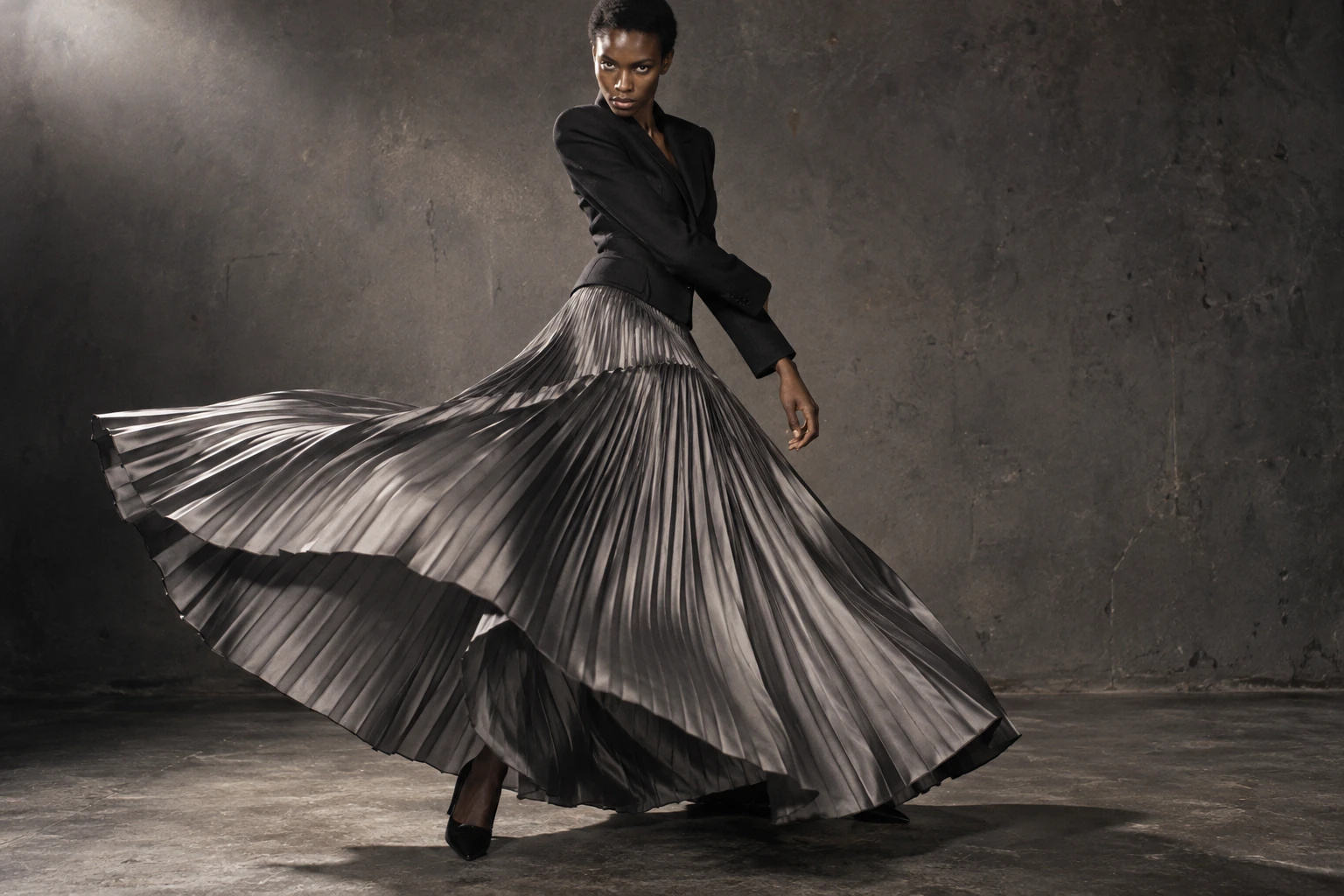
A turn can give a fashion film a clear purpose: reveal a shaped sleeve, bring a back detail into view or change the relationship between the body and the garment. It also asks the image to explain surfaces that the opening frame may barely show.
For a brand or agency commissioning AI fashion film, the turn should be a production decision before it becomes an animation instruction. Agree what the viewer needs to see, which garment details must survive and what evidence is available for the newly visible areas.
Give the turn one reason to happen
Choose the feature the movement is meant to reveal. A broad shoulder needs a different view from a back fastening or the fall of a hem. A glance over the shoulder may be enough; a full rotation may add time and expose more construction without helping the story.
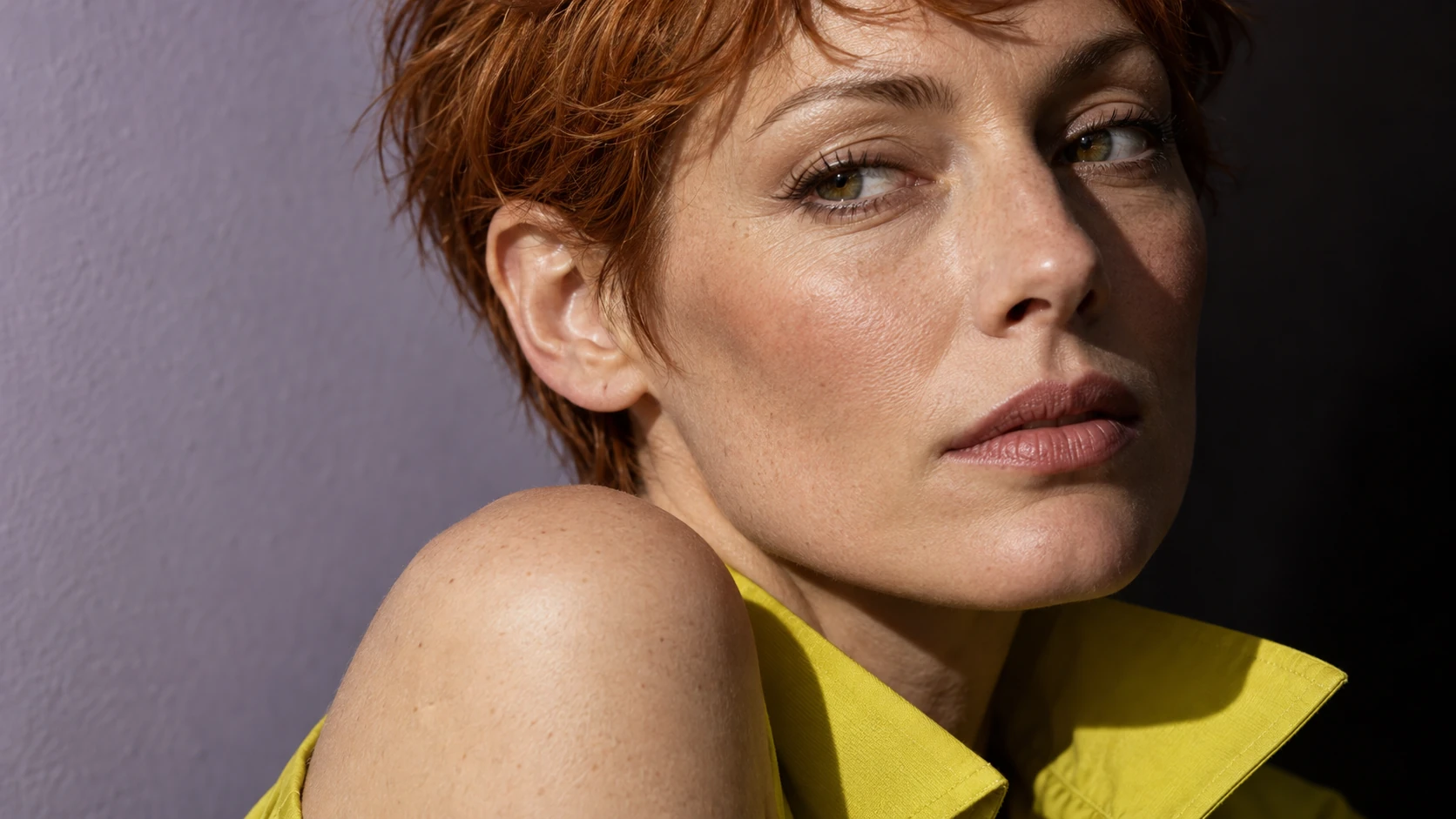
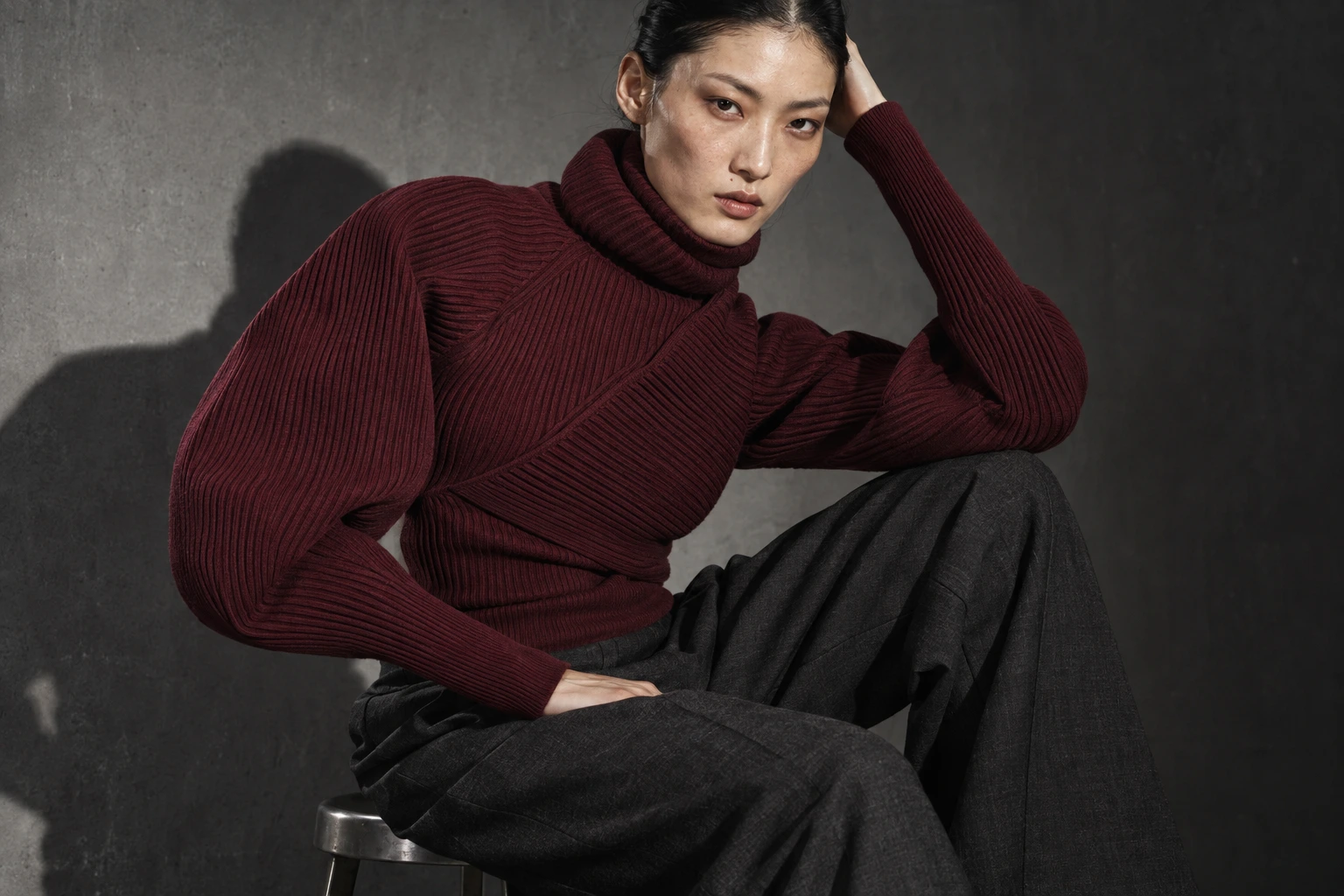
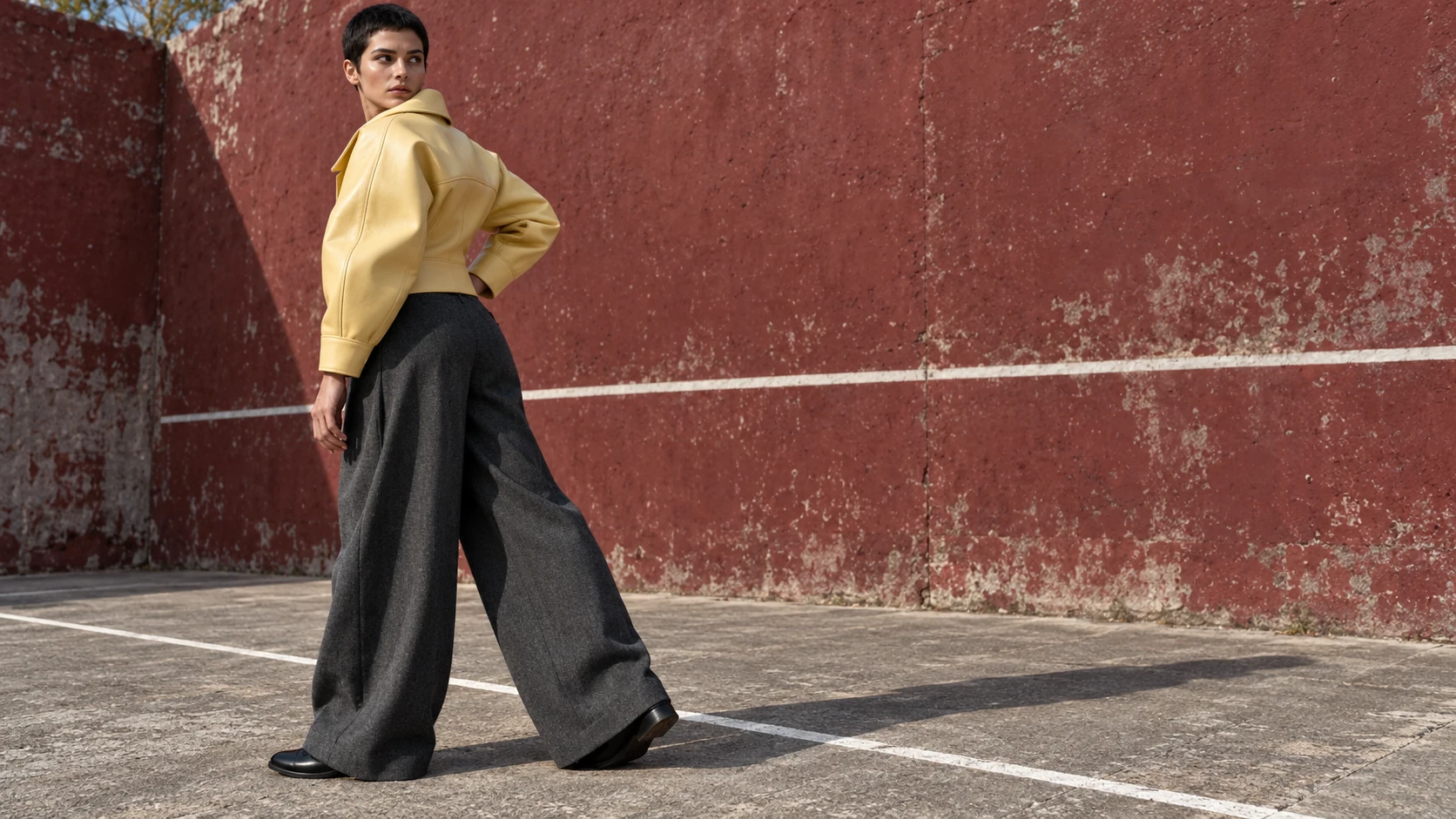
The yellow-jacket image is an invented editorial study. Its rounded sleeve, compact waist and wide trouser shape make the body’s angle legible. It suggests a useful question for a film: does turning reveal the jacket’s volume while preserving its cut? The still cannot answer how that movement performs in time.
Cover the surfaces the opening frame hides
For a real collection, request approved front, side, back and detail references relevant to the planned movement. Identify the collar, seam paths, cuffs, closures and any surface that will emerge from behind an arm. Check that the references show the same approved garment version.
An attractive front image is not evidence of the back. If the required view is missing, resolve that gap before promising a faithful reveal. Depending on the brief, the answer may be a simpler shot, additional photography, a controlled composite or a different production route. Do not silently invent a fastening or seam.
Define the start, reveal and finish
Describe the body movement in observable terms: which foot supports the weight, which shoulder moves away, where the gaze goes and where the turn stops. Decide whether the camera stays fixed or changes position. One clear movement is easier to judge than simultaneous walking, twisting, arm gestures and a circling camera.
Write down the garment features that remain fixed while folds and highlights change. A sleeve can compress as an elbow bends; a seam should not jump to a different location. The distinction is between an expected material response and a change to construction.
Watch the moments when details disappear
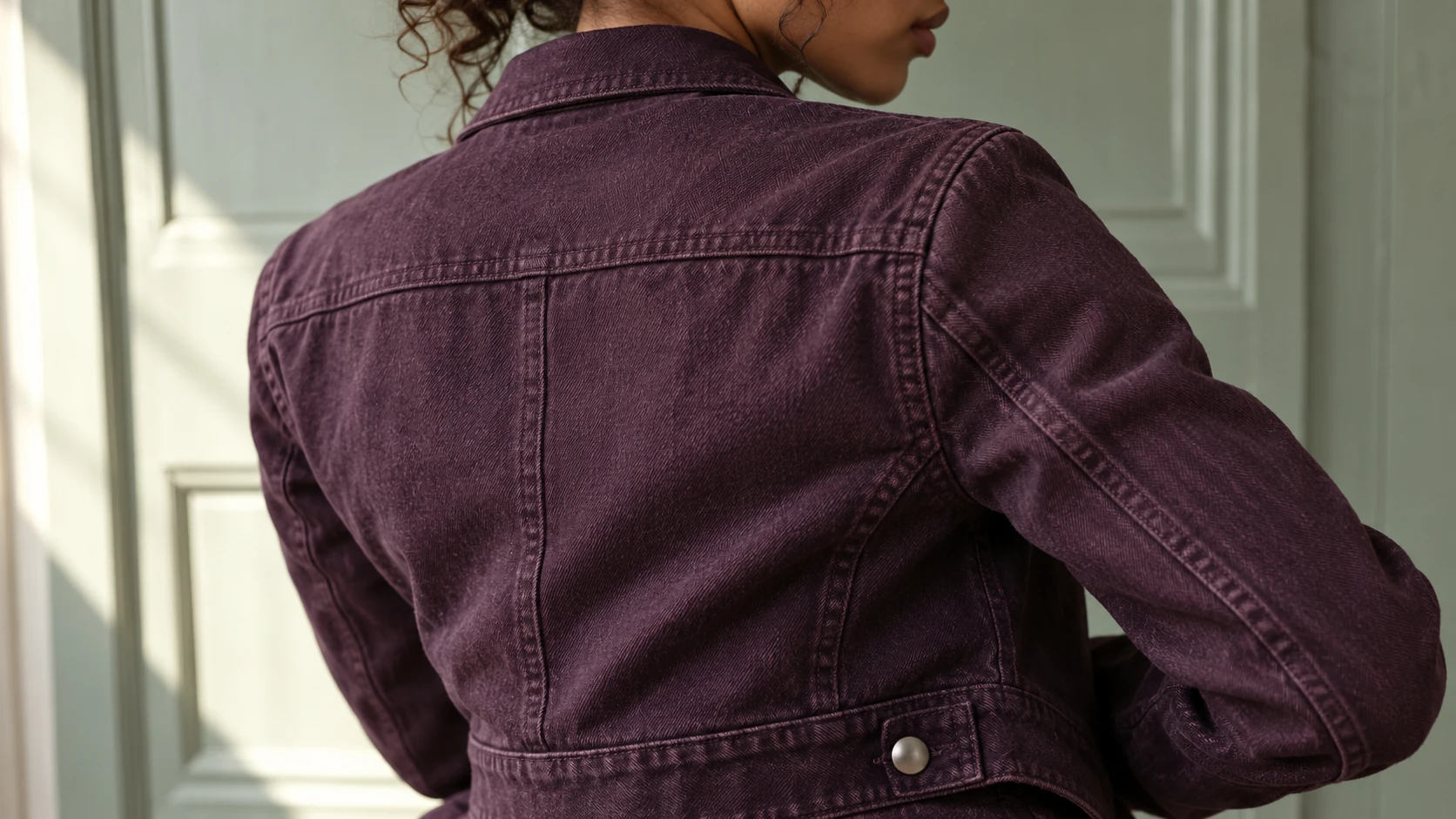
Occlusion deserves its own review. A cuff can pass behind the torso, a hand can cover a fastening and hair can hide a collar. Check the detail before it disappears and again when it returns. A convincing opening and ending do not establish that the intervening movement is coherent.
Review playback for changing silhouette, drifting seam positions, added hardware, unstable fabric texture and hands merging into cloth. Pause around suspicious moments, then watch the sequence at normal speed. A frame that looks odd in isolation may be a natural motion trace; a repeated change in construction needs a production decision.
Choose the repair around the final cut
A brief local defect may suit retouching or compositing if the surrounding frames provide enough reliable information. A garment that changes shape throughout the turn may need a new source or a simpler movement. Keep the approved references beside the work so a repair does not become another redesign.
Finally, judge the turn inside the edit and at the delivery crop. Give the reveal enough time to be understood and stop the shot when it has done its job. Keep source versions and review notes so later changes can be compared. An approved still establishes direction; only the finished playback can establish continuity.