AI fashion & retouching
AI fashion imagery: the garment still has to be right
A practical guide to garment accuracy in AI fashion imagery, from seams and silhouette to fabric texture, reference checks and final retouching.
 By Ed McCulloch ·
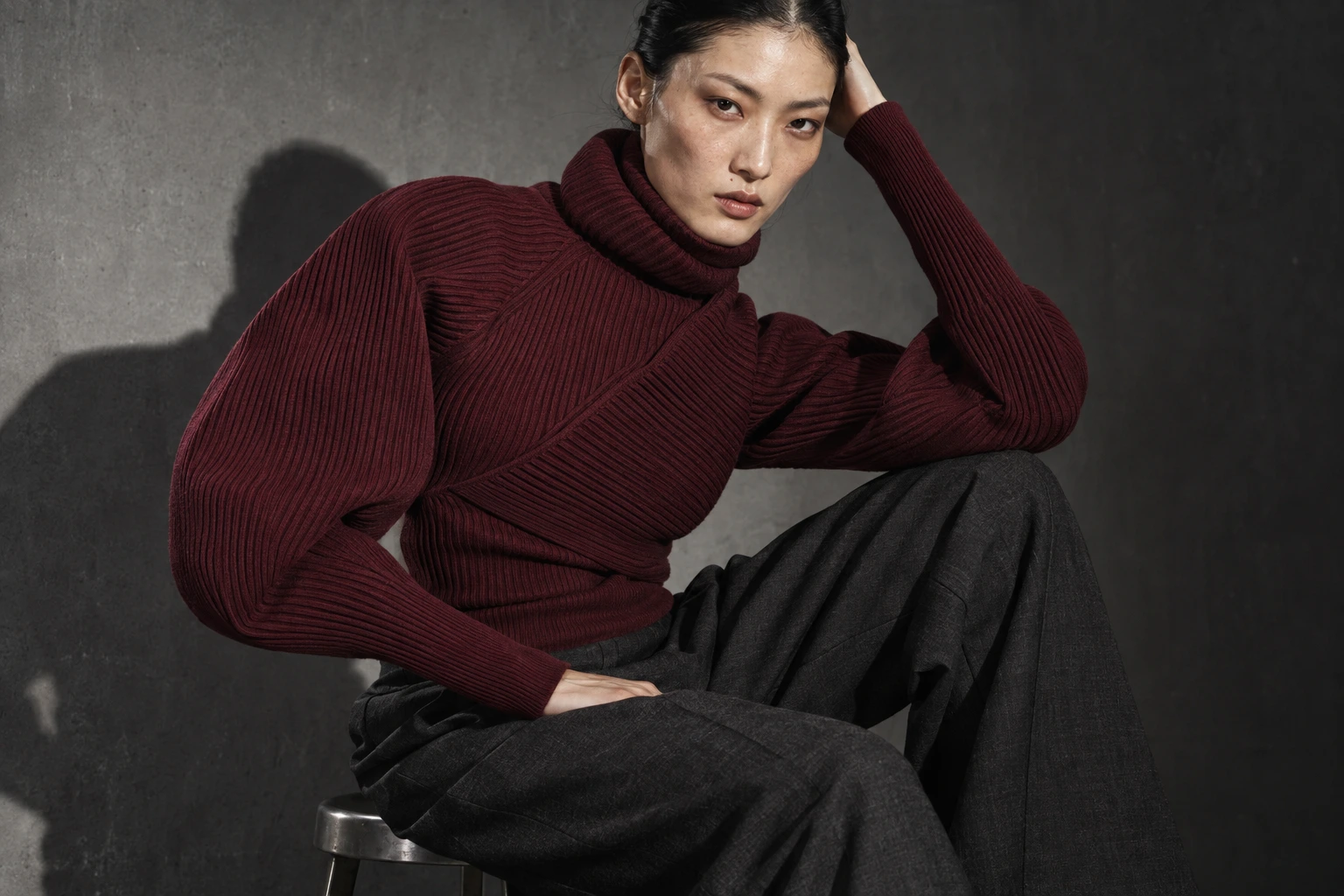
A fashion image can look convincing at first glance and still show the wrong product. A pocket moves. A cuff changes width. The fabric becomes heavier than the sample. Each alteration might look attractive, but it changes what the customer is being shown.
For commercial fashion imagery, the garment is an anchor. Art direction can change the setting, light and mood. It needs a clear boundary around the details that identify the actual piece.
Separate exploration from product representation
Start by deciding what the image is for. A moodboard can explore a possible silhouette. A product-led campaign needs a closer relationship to the supplied garment. An e-commerce image needs particular care over what it communicates about construction, colour and fit.
Agree those expectations before building the scene. Otherwise, a visually successful test can become the wrong basis for a production image.
Make a reference checklist
Gather front, rear and detail views where possible. Record the shape of the neckline, seam placement, closures, pocket positions, hem length and distinctive hardware. Include a close view of the fabric surface and a useful colour reference.
Use that checklist while reviewing the result. Check the garment independently from the model and background, then look at how it sits on the body. A correct texture does not make an incorrect silhouette acceptable.
Give the fabric a physical role
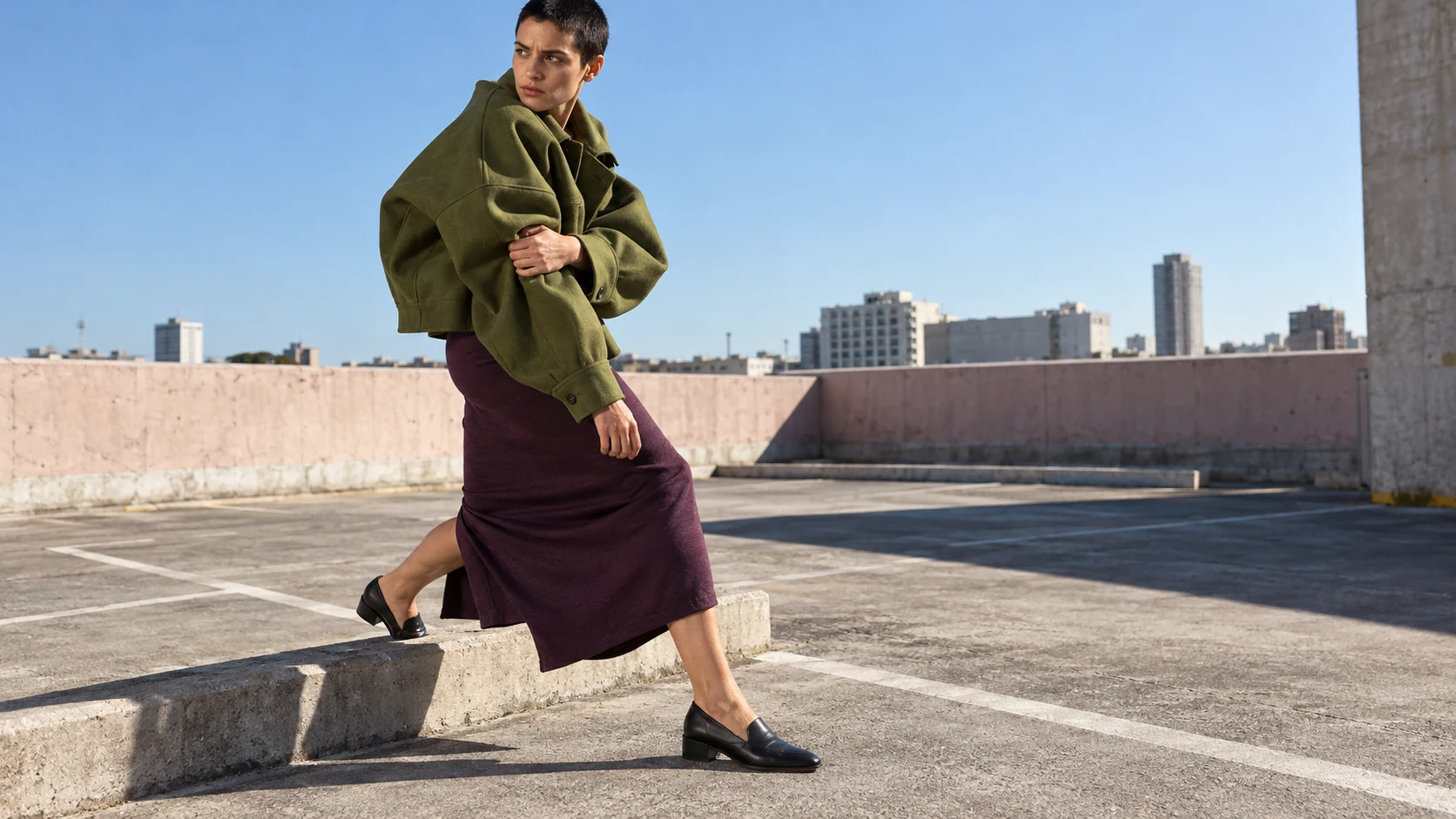
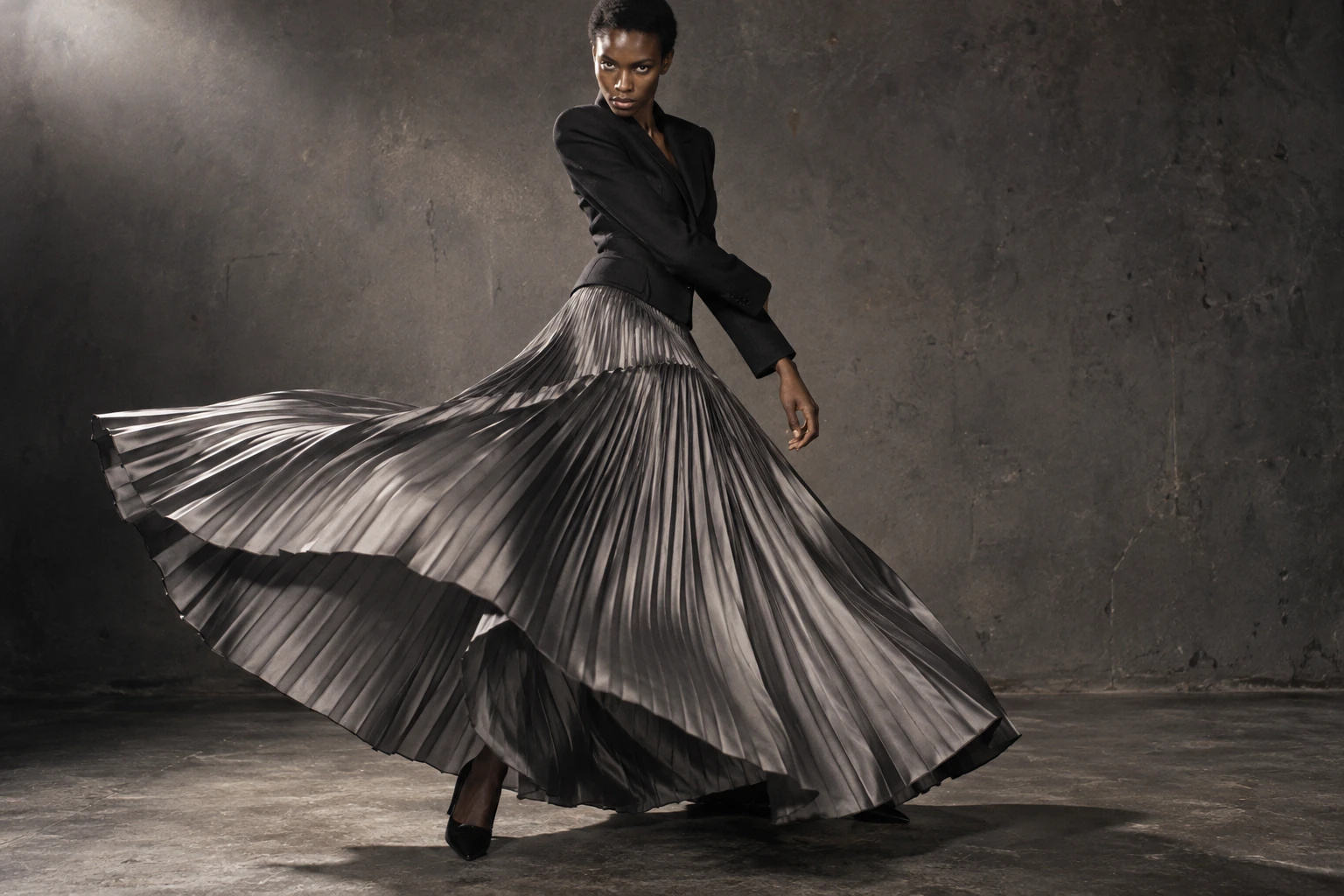
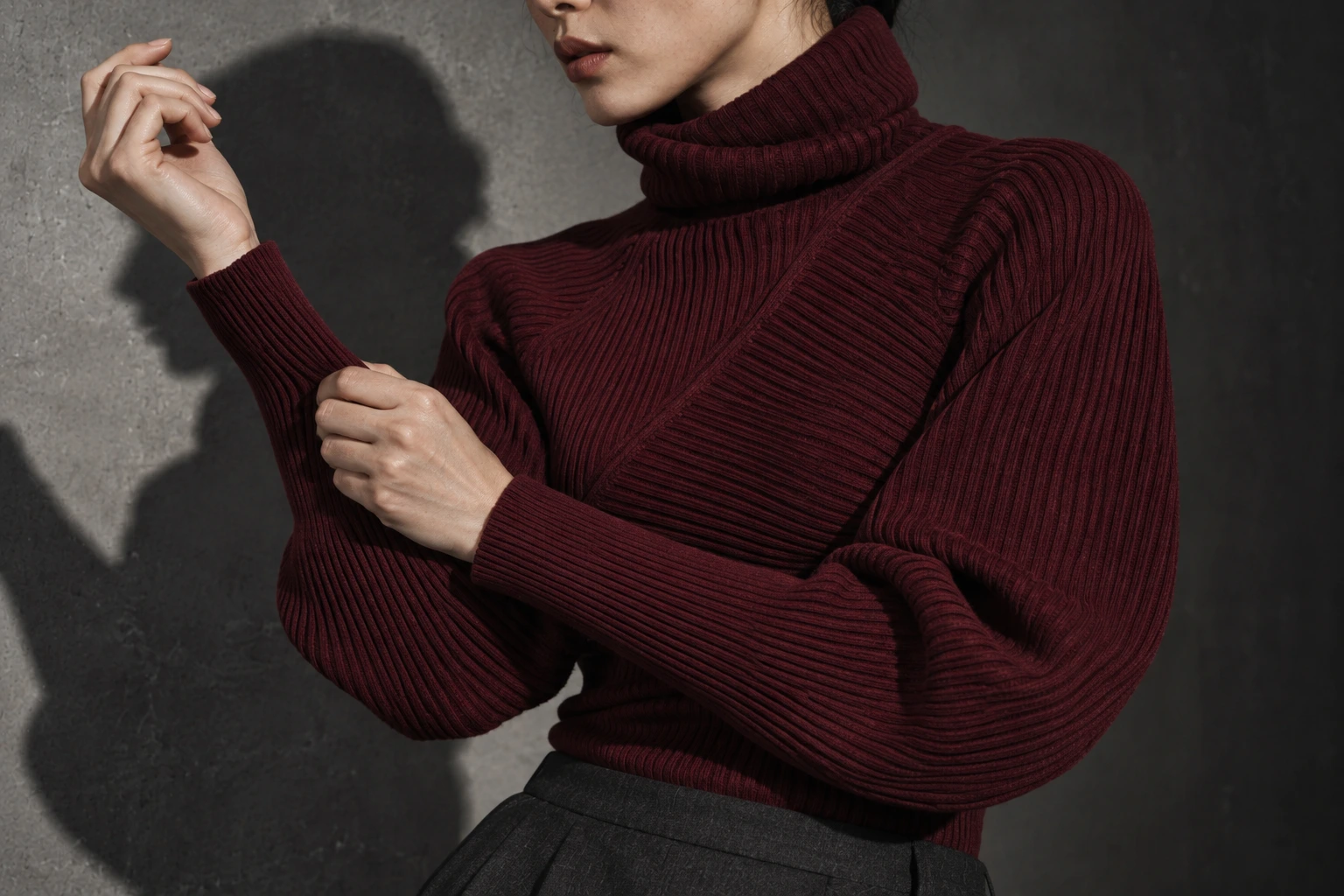
Pose and light should reveal the material. A heavy knit needs weight in its folds. A crisp sleeve needs structure. A sheer layer needs a believable relationship with the body and the surfaces behind it.
When every surface has the same smooth finish, the garment loses information. Retain the differences between skin, woven cloth, jersey, metal and the environment.
Choose the right repair
Some defects are suitable for a local retouch or composite. Others suggest the source image needs rebuilding. Before repairing an edge, ask whether the underlying shape is correct. Before matching colour, ask whether the lighting still lets the fabric read honestly.
For exact product details, a controlled photographic or 3D element may be more dependable than asking a generation to invent them again. Choose the method around the accuracy required.
Review the series together
One strong frame is only the beginning. Compare the whole selection for garment construction, identity, fabric response and colour. Then inspect the final crops at the sizes they will actually appear.
The aim is a coherent set of images that gives the creative idea room to work while keeping the product recognisable.