AI art direction
Commissioning AI imagery in Manchester: direction, consistency and finish
What to include in an AI imagery brief, from art direction and product accuracy to retouching and delivery. A guide for brands and agencies.
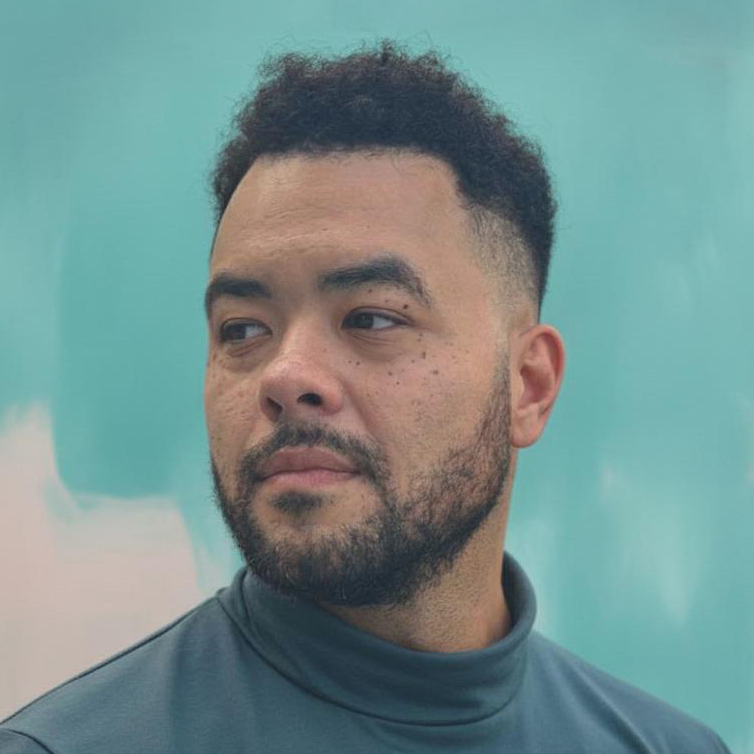 By Ed McCulloch ·
Brief the image before choosing the tool
When a brand searches for an AI artist, the real requirement is usually a finished image that fits a campaign. Start with its purpose: where it will appear, what it needs to communicate and which details must stay accurate. A mood image, a fashion concept and an exact product visual need different approaches.
For Manchester agencies and brands commissioning AI imagery, a useful brief describes the subject, environment, lighting, colour, composition and intended crop. Include references with a sentence explaining what each one contributes.
Define what must remain consistent
A strong individual frame does not automatically form a coherent campaign. If several images need to share a person, wardrobe, product or location, describe those fixed elements before developing the series. Separate them from details that are open to exploration.
Product shape, packaging, logos and lettering deserve particular attention. Decide which parts should come from supplied photography or artwork and which can be developed through image generation. Exact brand elements may need to be composited into the final image.
Plan retouching as part of the image-making
The generated image is one stage of the process. Edges, reflections, contact shadows, texture and perspective all affect whether the final composition feels convincing. These details are easier to assess against a clear visual direction than against a vague request for more realism.
My approach brings motion design and commercial retouching into AI art direction. The aim is to shape the composition deliberately, then finish the image for its actual use. AI expands what can be explored; decisions about light, material and visual hierarchy still matter.
Approve the direction before expanding the set
Start with a small selection of directions or a representative hero frame. Use that review to settle the palette, lighting, subject treatment and level of realism. Once those decisions are clear, the wider sequence has a useful reference point.
Feedback works best when it identifies the element and the reason: the product is too small for the placement, the fabric feels too smooth, or the background competes with the headline. Treat a change in creative direction separately from a correction within an approved direction.
Think ahead if the image will move
If stills may become an AI film, include that in the original brief. The planned camera move, subject action and edit can affect composition and the space needed around the subject. A successful still may need a different framing for motion.
I’m based in Salford, Greater Manchester, and work with UK and international brands. Share your visual references, supplied product assets, number of final images, formats and deadline. You can explore my AI imagery and films in the portfolio before getting in touch.